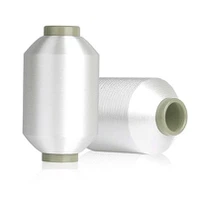
The process flow of hot-melt bonded fibers is a nonwoven production technology that utilizes the melting properties of hot-melt fibers when heated to melt and bond them with other fibers to form nonwovens. The following is the basic process flow of hot-melt bonding fibers:

- Mentah material preparation: Select appropriate hot-melt fiber, such as low-melting polyester fiber, as the adhesive. These fibers are often mixed with other types of fibers.
- Pembukaan dan Pencampuran: Mix the hot melt fibers with the host fibers to ensure even distribution of the hot melt fibers in subsequent steps.
- Carding into a web: The mixed fibers are opened and carded to form a uniform fiber web.
- Hot rolling bonding: The fiber web is heated by a hot pressure roller or hot air, and the hot-melt fibers melt and bond with other fibers during this process. In the hot rolling method, when the fiber web passes through the heated roller, the hot-melt fibers are partially melted to form bonding points.
- Penyejukan dan membentuk: The molten fiber web needs to be cooled to fix its structure and form a stable nonwoven fabric.
- Pasca pemprosesan: Bergantung pada the needs of the final product, additional post-processing steps such as cutting, folding, embossing, etc. may be required to give the product a specific appearance and performance.
- Finished product inspection and packaging: Finally, the nonwoven is quality inspected to ensure it meets specific standards and requirements, and then packaged for sale.
The hot-melt bonding fiber process is widely used in the production of silk-like cotton, glue-free cotton, hard cotton, automotive interiors, sound insulation panels, mattresses and other products because of its environmental protection, high efficiency and high cost-effectiveness. In addition, hot melt bonding technology can reduce the use of chemical adhesives, helping to reduce production costs and environmental pollution.
It is worth noting that the process flow of hot-melt bonding fibers can be adjusted according to specific product requirements and production conditions to achieve the best bonding effect and product performance.