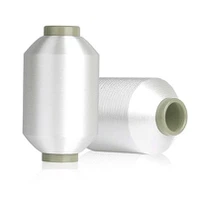
Bonding fabrics using hot melt yarn is a popular method in the textile industry, as it offers a fast and efficient way to join different materials together. Here are some best practices to follow when bonding fabrics using hot melt yarn:
Choose the right type of hot melt yarn
There are different types of hot melt yarn available, each designed for specific applications. It's important to choose the right type of yarn based on the type of fabrics you want to bond and the desired level of adhesion.
Use the right temperature
Hot melt yarns are designed to melt at a specific temperature range. It's important to use the right temperature to ensure the yarn melts evenly and forms a strong bond between the fabrics. Typically, the temperature range for hot melt bonding is between 120°C and 170°C.
Use the right pressure
In addition to temperature, the pressure applied during bonding is also important. The right pressure ensures that the hot melt yarn is evenly distributed and the fabrics are bonded together securely.
Ensure even distribution
The hot melt yarn should be evenly distributed over the entire bonding area to ensure a strong bond between the fabrics. Uneven distribution can result in weak spots in the bond and reduce the overall strength of the bond.
Test the bond
Before using the bonded fabrics in a final product, it's important to test the bond strength. This ensures that the bond is strong enough to withstand the intended use and any stresses that may be placed on the fabrics.
Follow manufacturer instructions
Always follow the manufacturer's instructions when bonding fabrics using hot melt yarn. This ensures that the bonding process is done correctly and safely.
By following these best practices, you can ensure that your hot melt yarn bonding is effective and produces strong and durable bonds between fabrics.